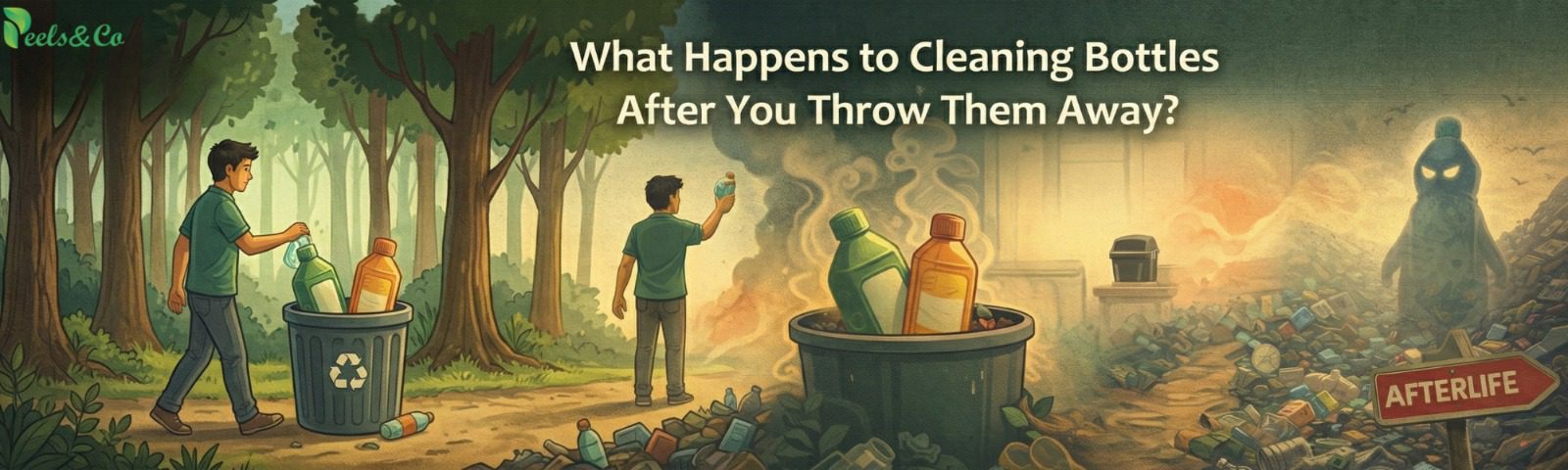
Once the floor is clean and the bottle is empty, we do a very Indian thing.
We rinse it (sometimes).
We toss it (confidently).
We feel… done.
Dustbin closed. Problem solved.
Except it isn’t.
Because that plastic bottle doesn’t disappear. It begins a long, messy afterlife — one that most of us never see, which is exactly why it keeps happening.
Stage 1: The Great Bin Illusion
In most Indian homes, waste is not sorted — it’s relieved.
Out of sight, out of mind.
Your empty cleaning bottle joins vegetable peels, milk packets, broken glass, and yesterday’s takeaway container in one democratic pile. Whether it gets recycled now depends entirely on luck — not intention.
Most cleaning bottles are recyclable in theory. In reality, only bottles that are clean, dry, and recognisable stand a chance.
And no, “thoda sa pani se dhoya” doesn’t count.
Stage 2: The Informal Sorting Olympics
Your bottle’s next stop is usually a waste picker — someone who manually sorts through trash for hours, deciding what’s worth collecting.
If the bottle smells strongly of chemicals or is sticky with residue, it’s often rejected. Not because it can’t be recycled — but because handling it is unsafe or unpleasant.
This is where most bottles quietly fail their recycling exam.
Stage 3: The Almost-Recycled Pile
Let’s say your bottle makes it past sorting. Congratulations.
Now it waits. Sometimes for weeks. Sometimes months. Recycling infrastructure in India is uneven, and low-value plastics often sit until they’re no longer worth transporting.
Some bottles eventually get recycled into lower-grade plastic. Many don’t. They end up mixed with construction waste, burnt, or buried.
Yes — burnt. Open burning is still very real.
Stage 4: The Slow Disappearance (That Never Really Happens)
Plastic doesn’t decompose. It breaks down.
Your bottle fractures into smaller and smaller pieces — microplastics that seep into soil, water, food chains. They don’t announce themselves. They just… stay.
In rivers. In fields. In fish. In us.
All because we needed a shiny floor.
The Indian Habit That Makes This Worse
We love buying big bottles. Value packs. “Chalega kaafi din.”
But bigger bottles mean:
- More plastic per household
- Fewer refills
- Higher chances of improper disposal
And because cleaning products are seen as “necessary,” we rarely question the packaging they come in.
So What Actually Helps?
Not dramatic gestures. Not guilt.
Simple, boring habits:
- Rinse bottles properly before disposal
- Keep recyclables separate, even if it’s just one extra bag
- Buy products with recyclable packaging, and use them till the end
- Reduce how often you replace bottles by using what you already have fully
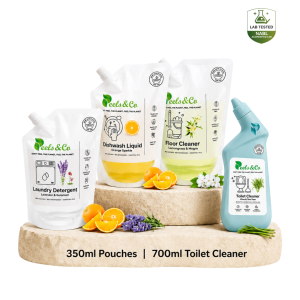
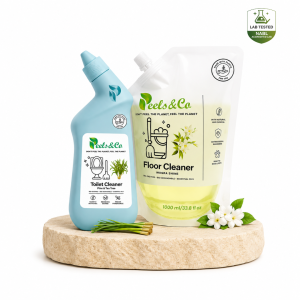
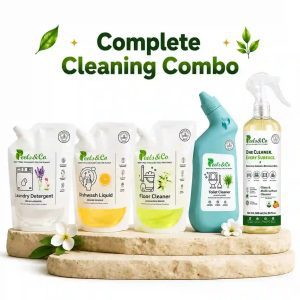
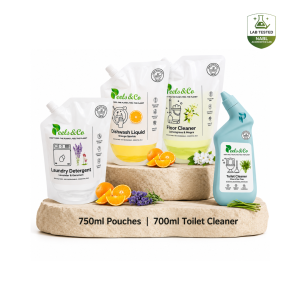
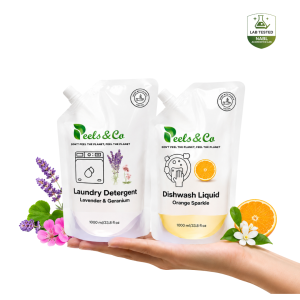
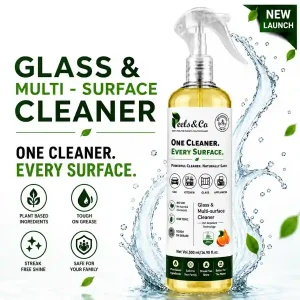
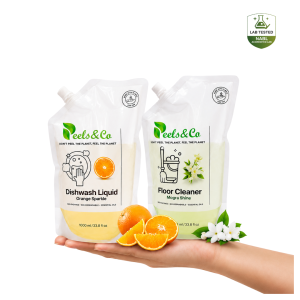
This is where brands that design with end-of-life in mind — like Peels & Co, whose plant-based cleaners come in recyclable containers — quietly make a difference. Not because they’re perfect, but because they acknowledge what happens after use.
That awareness matters.
Why This Is a Household Issue, Not a Planet One
Environmental damage feels abstract. Your dustbin doesn’t.
If this feels uncomfortable, that’s okay. Discomfort is often the first step to better habits — something we’ve spoken about before in Small Habit, Big Impact: 7 Household Swaps That Cut Your Chemical Footprint by Half.
The goal isn’t to stop cleaning.
It’s to stop pretending the story ends when the bottle leaves your home.
Because it doesn’t. It just goes somewhere else.